
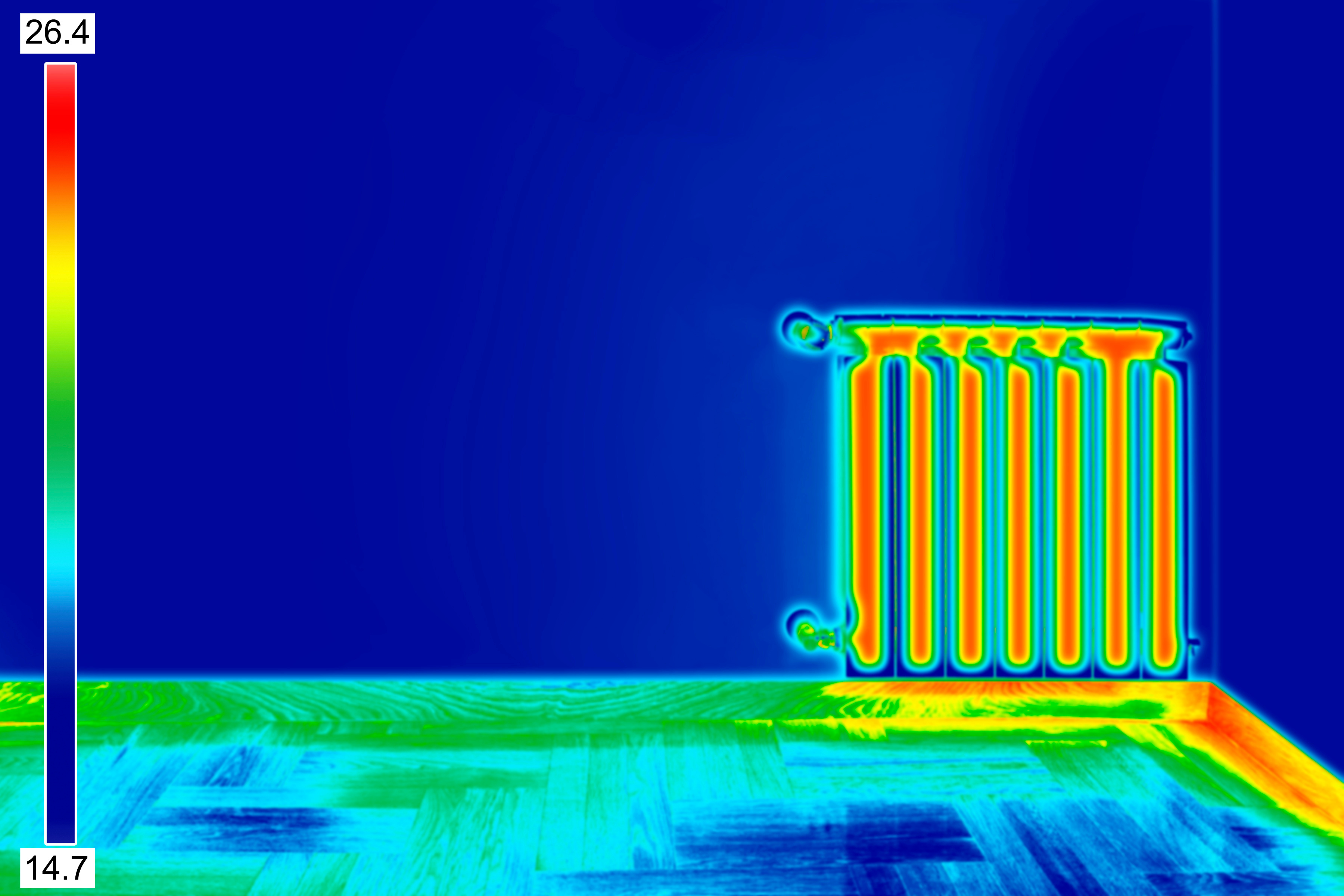
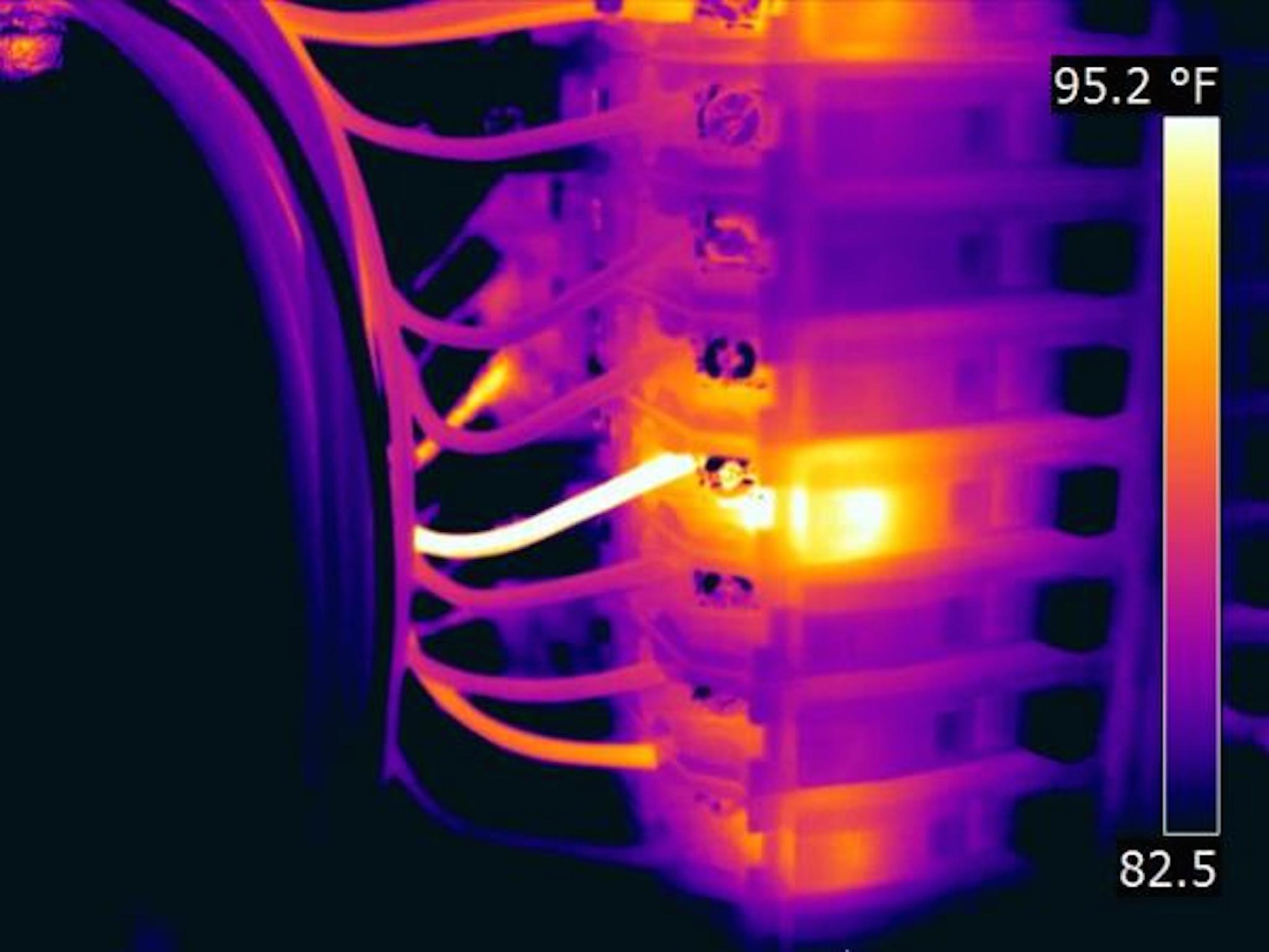
The fundamentals of Infrared Thermography Course is designed for individuals new to thermography and focuses on the application of infrared technology across various fields. Participants will gain a thorough understanding of camera operation, heat transfer principles, and report writing, covering all essential aspects of thermography.
Course Topics:
- Understanding the factors that affect the appearance of thermal images and their influence on temperature measurement accuracy.
- Key inspection principles, including vital safety protocols when working with energized equipment.
- Techniques for analyzing and interpreting infrared images effectively.
- Core concepts of infrared science, including emissivity, reflectivity, heat transfer, and atmospheric influences.
- Practical use of thermography analysis software and generating clear, comprehensible reports.
- Hands-on exercises to gain practical experience and reinforce theoretical knowledge covered during the course.
- Insights specific to various applications, such as electrical inspections, mechanical reliability maintenance, building envelope assessments, and roof moisture surveys.
Tuition Fees Include:
- A comprehensive Adva Therm course manual.
- Detailed slides with explanations and audio.
- Quizzes for each topic.
- Documentation of certification achievement.
Certification:
Upon completion of all course requirements, students will be awarded an Infrared Thermography Attendance Certificate. The course adheres to the guidelines established by ASNT (The American Society for Nondestructive Testing) in CP-105 and SNT-TC-1A. ASNT is a globally recognized authority in setting standards for the qualification and certification of personnel in nondestructive testing (NDT).
The Infrared Thermography Training Course is designed as a 32-hour program, typically delivered over 4 days. To help you plan your learning effectively, we provide estimated timings for each chapter.
These timings are intended as a guide only — some learners may move more quickly through familiar concepts, while others may choose to spend additional time reviewing key topics or practicing exercises. Whether you complete the course in a structured 4-day format or spread it out over a longer period, the total content is equivalent to 32 hours of professional training.
We want to make this a positive experience for all participants. If you have particular access needs (for example visual impairment, dyslexia, deafness etc.) please contact us so we can work together to get you as good an experience as we can.
By following the module timing plan, you can:
-
Allocate sufficient time for each session in your personal schedule
-
Track your progress against the course structure
-
Ensure balanced learning and reflection periods
Note: Actual time required may vary depending on your prior knowledge, pace of study, and depth of engagement with the learning materials.
|
Section |
Chapter |
Estimated Time |
|
A |
1 |
1 hr |
|
A |
2 |
15 min |
|
A |
3 |
2 hrs |
|
A |
4 |
2 hrs |
|
B |
1 |
3 hrs |
|
B |
2 |
2 hrs |
|
B |
3 |
1.25 hrs |
|
B |
4 |
2 hrs |
|
C |
1 |
1 hr |
|
C |
2 |
1 hr |
|
C |
3 |
1 hr |
|
C |
4 |
1 hr |
|
C |
5 |
0.75 hr |
|
C |
6 |
0.75 hr |
|
C |
7 |
1.25 hr |